
How I Help Clients Define Their Interior Design Style
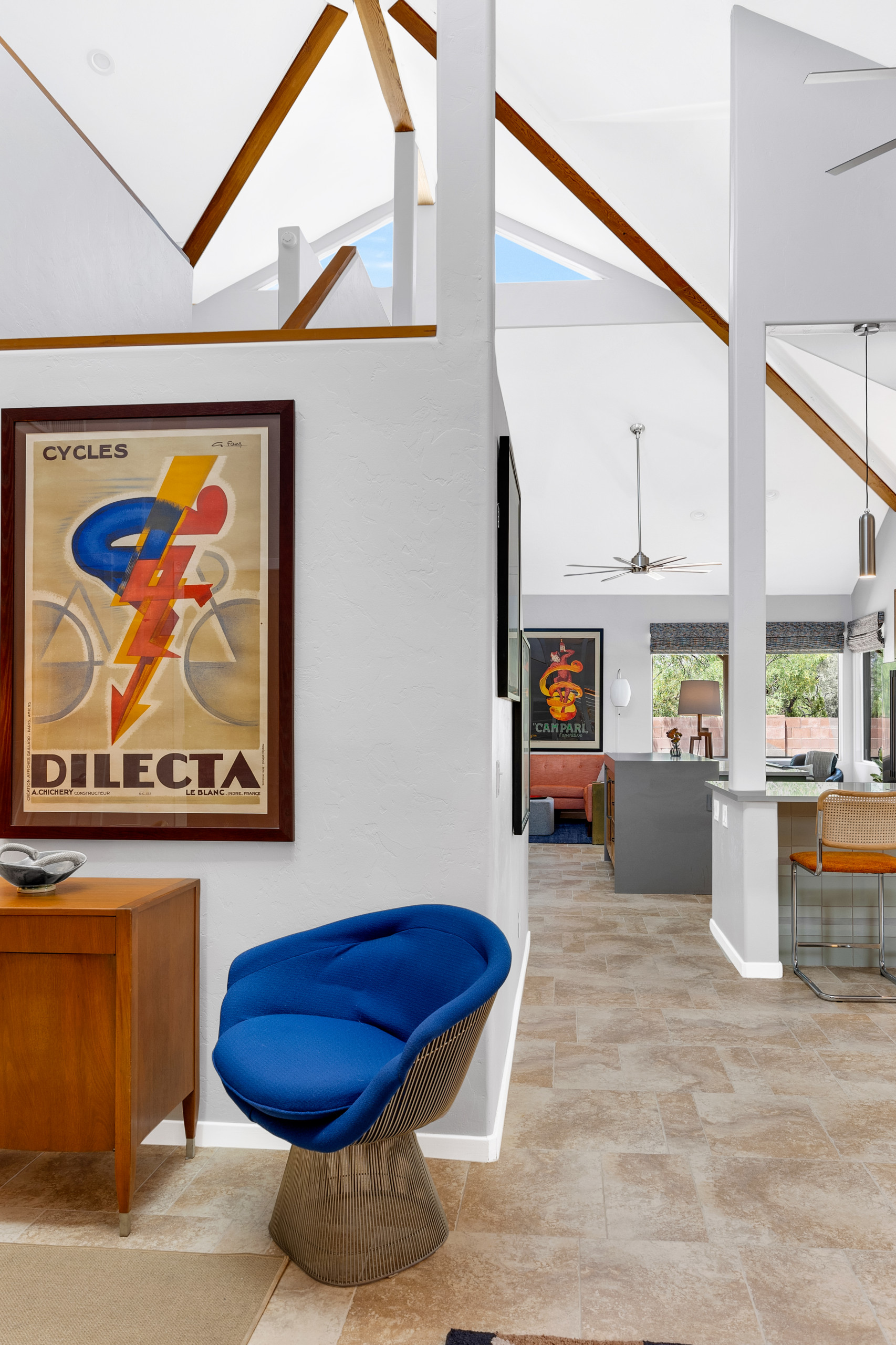
Most people think they need to “pick a style” before they start designing their home.
Mid-century modern. Contemporary. Southwestern. Transitional.
In reality, that’s usually where things go wrong. Homes that feel the most natural and comfortable to live in aren’t built around a single label. They’re layered, personal and shaped by how you actually live day to day.
That’s where I come in. → Services
Why “Choosing a Style” Can Be Limiting
Design styles are helpful to a point. They give you a starting place. A shared language. A way to describe what you’re drawn to.
But when you try to follow a style too closely, it can start to feel forced.
I see this all the time:
- rooms that feel overly matched
- homes that look good in photos but don’t function well
- spaces that reflect a trend more than the people living there
Real homes don’t work that way. They evolve from a combination of:
- architecture
- materials
- lifestyle
- and personal preferences
Not a checklist of design rules.
The Design Styles I See Most in Tucson Homes
In Tucson and the surrounding areas, there are a few styles that come up often. Most homes don’t fit neatly into just one, but it helps to understand the influences.
Mid-Century Modern
Clean lines, lower profiles and a strong connection to indoor-outdoor living.
Many homes in Tucson already have mid-century elements built in, which makes this style feel natural here.
Contemporary
Refined, minimal, and more architectural in feel.
In this style, materiality and authenticity matter even more—because there’s nowhere to hide. Every finish, every line, every transition is visible. When it’s done well, it feels quiet and intentional. When it’s not, it can fall flat quickly.
Warm Modern / Organic Modern
This is where a lot of people land, even if they don’t know what to call it.
It blends clean lines with natural materials and softer textures, creating spaces that feel modern but still comfortable.
Southwestern (Reimagined)
This is where my work often starts—but not in a traditional sense.
Instead of bold patterns and heavy rustic elements, it’s a more refined approach:
- plaster
- wood
- stone
- warm, layered neutrals
It’s less about the “look” and more about how the home connects to the desert. → See my full guide to Warm Modern Southwestern Interior Design
Transitional
A mix of traditional and modern elements.
This can work well, but it needs to be handled carefully to avoid feeling disconnected or generic.
How I Actually Approach Design Style
This is usually where things begin to come together for my clients.
Instead of asking: “What style do you want?” I always start in the same way. Always. I ask a lot of questions: about how you live, what’s working, what isn’t, what you’re drawn to and what you want your home to feel like.
I’m paying attention to your lifestyle, your routines and what actually matters to you. That’s what shapes the design far more than any label.
I’m also looking closely at your home itself. There’s almost always untapped potential in the architecture. Part of my role is to see that and bring it forward in a way that feels natural.
From there, I build the design around a few key things.
1. Materials First
I start here because materials set the tone for everything else.
Plaster vs. drywall. Natural wood vs. painted finishes. Stone vs. something more uniform.
When those choices are right, the space already feels grounded regardless of what “style” it falls under.
This is one of the places I see people get off track quickly. They try to layer style on top instead of getting the foundation right.
2. Architecture and Structure
The home itself tells me a lot. I consider:
- ceiling height
- window placement
- existing architectural details
- how spaces connect to each other
Good design works with the architecture, not against it. And if need be, we can find a way to improve the existing structure.
3. How the Space Functions
This is the part that often gets overlooked.
A home can look beautiful and still feel frustrating to live in. We will think through the following together:
- how you move through the space
- where things are stored
- how rooms are used and by whom day to day
When function is right, life feels easier.
4. Editing (This Is the Hard Part)
Most people want to add more. More pieces. More materials. More “style" from Pinterest or a big-box store.
But the homes that feel the most timeless are usually the ones where we stop earlier. Restraint is what keeps a space from feeling busy—or dated too quickly.
5. Creating a Collected Feel
No matter the style, I rarely design a space that feels entirely new or “off the shelf.”
I like to incorporate:
- vintage or antique pieces
- existing items that have meaning to my clients
- materials that show a bit of patina
All of this gives the home a sense of history and a more collected feel. That mix is what keeps a space from feeling flat or like it was installed all at once.
What Clients Usually Get Stuck On
There are a few patterns I see often:
Trying to match everything
A home doesn’t need to feel like a set. Some variation actually makes it feel more natural.
Designing for a trend instead of real life
If it doesn’t work for how you live, it won’t feel right: no matter how current it looks.
Overthinking the label
You don’t need to decide: “This is a mid-century home” or “This is Southwestern.” It can be both. Or neither.
What You Actually End Up With
By the time a project comes together, most homes don’t fit neatly into a category. They feel:
- cohesive
- grounded
- comfortable
- rooted in the people living there
That’s always the goal. Not a perfect example of a style but a home that works.
Working Together
Defining your design style isn’t about choosing the right label. It’s about making the right decisions along the way, based on how you live and what matters to you.
That’s where I guide my clients. From early planning through final installation, I help you:
- narrow down options
- make confident decisions
- create a home that feels aligned with you from start to finish
→ Find out more about the services that I offer and how my clients feel about the process.
If you’re not sure what your style is yet that’s completely normal.
It’s also exactly where most of my clients start.
FAQs
Do I need to know my design style before hiring a designer?
No. Most of my clients don’t and you don’t need to. Part of my role is helping you define that through the process.
Can I mix different design styles?
Enthusiastically, YES. In fact most well-designed homes do. The key is making sure the materials, proportions and overall palette feel cohesive. This is where my expertise and experience comes in handy.
What if I like both modern and traditional elements?
That’s very common. The goal is to find the right balance so the space feels intentional, not conflicting.
Will my home feel trendy?
Not if it’s designed well. I focus on materials, function and proportion. Those hold up much longer than trends.
How do you figure out what works for me?
As I guide you, we start with how you live, what you’re drawn to and what’s not working in your current space. From there I develop the design so everything comes together in a way that feels natural.